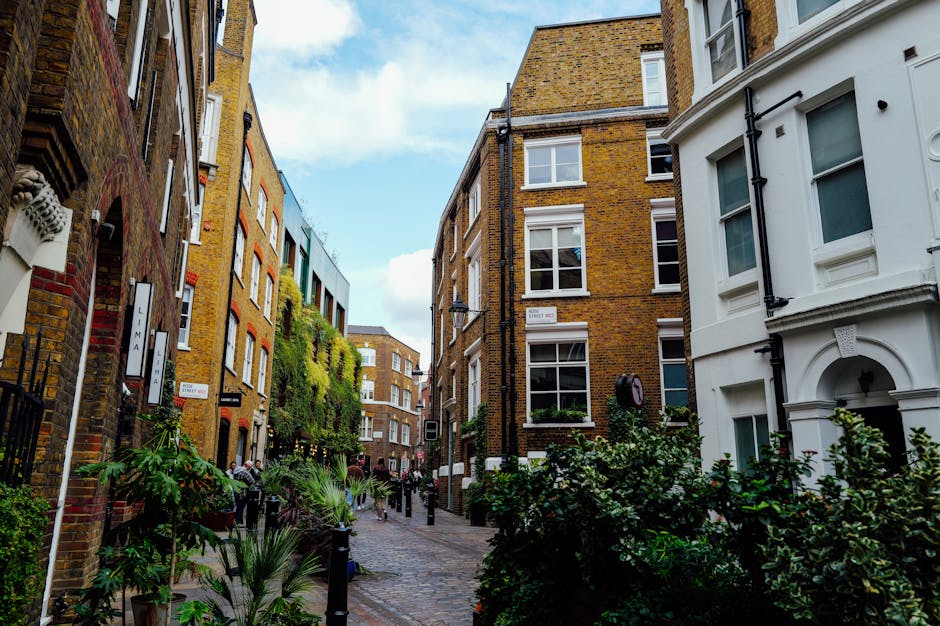
Best gardeners for Hoxton Street gardens N1
If you're searching for the Best gardeners for Hoxton Street gardens N1, you probably want more than a tidy lawn and a quick hedge trim. You want a gardener who understands narrow city plots, patchy light, busy pavements, shared boundaries, and the kind of everyday wear that London gardens pick up fast. In Hoxton, that might mean a small front patch that needs proper structure, a courtyard that never quite dries out, or a back garden that should feel calm rather than crammed. Truth be told, the right gardener can change how a space feels by a lot.
This guide breaks down what to look for, how the service works, what good garden care should include, and how to choose a gardener who fits your space, your budget, and your expectations. You'll also find practical tips, a comparison table, a realistic checklist, and answers to common questions people ask before booking a local gardener. No fluff. Just useful guidance you can actually use.
Table of Contents
- Why Best gardeners for Hoxton Street gardens N1 Matters
- How Best gardeners for Hoxton Street gardens N1 Works
- Key Benefits and Practical Advantages
- Who This Is For and When It Makes Sense
- Step-by-Step Guidance
- Expert Tips for Better Results
- Common Mistakes to Avoid
- Tools, Resources and Recommendations
- Law, Compliance, Standards, or Best Practice
- Options, Methods, or Comparison Table
- Case Study or Real-World Example
- Practical Checklist
- Conclusion
- Frequently Asked Questions
Why Best gardeners for Hoxton Street gardens N1 Matters
Hoxton Street sits in a part of London where outdoor space often works hard. Gardens here are rarely huge, and many have to deal with shade from buildings, compact access, mixed planting, and the kind of urban debris that turns up after a windy week. That means a general "garden tidy-up" approach is often not enough. You need gardeners who understand the local rhythm of a space and can keep it looking good without overcomplicating it.
The best gardeners for this area do more than cut back growth. They notice how water runs after rain, how plants react to light, and where a garden is underperforming. A shady corner might need the right groundcover rather than repeated planting that never really takes. A tired patio may simply need weed control, careful clearing, and a seasonal refresh. Small things matter here. They really do.
There's also the trust side. If you're inviting someone to work on your property, you want clear communication, safe working habits, and a sensible plan. Good gardeners don't just turn up with tools and hope for the best. They ask the right questions. They check access. They set expectations about what is included, what will take longer, and what can wait until the next visit. That kind of calm professionalism is worth a lot.
For readers comparing local providers, it helps to look at a broader service picture too. A team that offers reliable garden maintenance is often better placed to support ongoing care than someone who only does one-off cutting. If your space needs larger changes, you may also want to read about professional landscaping solutions and how they differ from routine maintenance.
How Best gardeners for Hoxton Street gardens N1 Works
At its simplest, garden care starts with assessment, then a plan, then the work itself. But in practice, the best results come from a bit more thinking than that. A good gardener will usually look at the size of the space, what is already planted, how much time the garden gets in sunlight, and how often you want visits. A one-off clear-up is very different from monthly maintenance, and the service should match the garden's reality.
For a Hoxton Street property, the process often begins with a walk-through. You point out the problem areas: overgrown borders, a lawn that's gone thin, pots that always dry out, or a courtyard that collects weeds in the cracks. The gardener then decides what can be handled immediately and what needs a more thoughtful approach. That distinction matters. A rushed cut-back can create more work later, especially with shrubs that need shaping rather than hacking.
Depending on the job, the work may include weeding, pruning, hedge trimming, lawn care, planting, soil improvement, pressure washing of hard surfaces where appropriate, and seasonal tidy-ups. If the garden has been neglected for a while, it may also need debris removal and a reset before any decorative work begins. One small but important point: a clean-looking result is not always a healthy one. Sometimes the best-looking job is the one that quietly supports stronger regrowth over the next few weeks.
If you want a more tailored service package, it can help to browse local support pages such as garden clearance services for overgrown plots or hedge trimming and shaping when structure has gone a bit wild. The right service combination often depends on the season and how fast your space is changing.
Key Benefits and Practical Advantages
Hiring the right gardener is not just about appearance. It changes how the whole property feels and functions. A well-managed garden can make a small outdoor space calmer, easier to use, and far less stressful to maintain. That sounds obvious, but in a tight urban setting the practical difference can be huge.
- Better first impressions: A clean, balanced garden makes a home look cared for from the moment someone walks past the gate.
- Healthier planting: Correct pruning, feeding, and watering habits help plants recover and grow more reliably.
- Less ongoing mess: Regular maintenance reduces leaf build-up, weeds, and the feeling that the garden is always one step behind.
- More usable space: When borders, paths, and seating areas are properly managed, the garden becomes a space you'll actually use.
- Lower repair risk: Catching damaged plants, blocked drainage, or broken edging early can prevent bigger issues later.
- Local understanding: A gardener familiar with Hoxton and N1 will usually know how to handle compact plots, shade, and urban conditions better.
There's a quieter benefit too. Good gardening removes a background worry. You stop noticing the same unruly patch every time you look out the window. That mental relief is not nothing. To be fair, it's often the part people appreciate most after the work is done.
For larger or more technically involved projects, a service that includes tree surgery and careful tree work or patio installation and hard landscaping may be worth considering, especially where roots, shade, or uneven surfaces are affecting the garden's long-term use.
Who This Is For and When It Makes Sense
This kind of service suits a wide range of people. You might be a homeowner who wants the front and back garden kept in shape without losing weekends to weeds and clippings. You might rent a flat with a shared outdoor area and need a reliable local gardener to keep it presentable. Or you may manage a small rental property where outdoor maintenance helps protect value and reduce complaints. In all of those cases, the same basic need applies: someone dependable, practical, and not afraid of a bit of London grit.
It makes particular sense if:
- your garden has become overgrown after a busy season;
- you need regular upkeep rather than a one-off tidy;
- you want planting advice for shade, containers, or small spaces;
- you've inherited a garden that looks okay from a distance but needs real attention;
- you want to improve kerb appeal before selling or letting a property;
- you prefer a gardener who can work around city access, neighbours, and limited storage.
Not every garden needs a full redesign, by the way. Sometimes what you need is a practical reset: cut back, clean up, improve the soil, and then keep on top of it. That's especially true in N1 properties where time is tight and outdoor space is valuable. If that sounds familiar, a quick read of lawn care and lawn restoration advice can help you decide whether the grass needs rescue or just steadier maintenance.
Step-by-Step Guidance
If you're choosing a gardener for Hoxton Street gardens, a clear process makes the decision much easier. Here's a sensible way to approach it.
- Define the job clearly. Is it a one-off tidy, seasonal maintenance, planting, pruning, or a full reset? Be specific. "Make it look better" is understandable, but not very useful.
- Walk the garden before asking for quotes. Take note of access points, bin storage, water supply, awkward corners, and anything fragile. A quick photo set helps too.
- Ask what is included. Some gardeners quote only labour. Others include waste removal, materials, or follow-up visits. Get clarity up front.
- Check relevant experience. Not every gardener is equally strong at pruning, turf, container work, or reviving neglected beds. Match the job to the skill set.
- Agree timing and frequency. A one-off spring clear-up is different from fortnightly maintenance. Weekly visits are useful for some spaces; monthly is enough for others.
- Decide how you want the garden to feel. Neat and structured? Soft and relaxed? Low-maintenance? Your gardener should understand the style, not just the tasks.
- Review after the first visit. Good gardeners appreciate feedback. A small adjustment in pruning height or edging can make a surprising difference.
One practical tip: keep your first brief short and visual. Point, explain, and let the gardener talk back. That back-and-forth often reveals whether they genuinely understand the space or just want to get the mower out and move on. Which, let's face it, is not the same thing at all.
Expert Tips for Better Results
A few small decisions can improve the outcome more than people expect. The first is timing. In London gardens, after heavy rain or during a dry spell, the same work can behave very differently. Cutting or planting at the wrong moment can create more stress for the plants and more frustration for you. A good gardener should know when to be patient.
Here are some practical tips that often make a real difference:
- Focus on structure first. Good edges, clear paths, and defined beds make even a modest garden feel more intentional.
- Use plants suited to the light. A shady Hoxton garden should not be treated like a sunny suburban border.
- Don't over-prune for the sake of neatness. Some shrubs need light shaping, not dramatic cutting.
- Make maintenance realistic. If you rarely have time, choose lower-maintenance planting rather than a high-effort design.
- Ask about seasonal plans. Spring, summer, autumn, and winter each bring different tasks, and a good plan saves money over time.
A small human thing here: the best results often come from gardeners who are happy to say, "We should leave that for now." That answer can be frustrating in the moment, but it usually means they're thinking long term rather than just billing for extra work. Good judgement is a bigger skill than people realise.
If you're building out a broader outdoor project, it can be useful to look at fencing services too, especially where privacy, wind exposure, or boundary definition matters. A garden is only as easy to maintain as the space around it allows.
Common Mistakes to Avoid
People often assume garden work is straightforward until they're halfway through it. That's when the avoidable mistakes show up. The biggest one is choosing purely on price. A very low quote can be fine for a simple tidy-up, but if the garden needs judgement, stamina, and proper cleanup, cheap can become expensive fast.
Another common issue is vague communication. If you don't say whether you want waste removed, beds weeded, hedges shaped, or the lawn edged, you may not get the result you expected. It sounds basic, but this is where a lot of disappointment comes from.
- Assuming all gardeners offer the same level of expertise
- Not checking whether waste disposal is included
- Expecting one visit to fix months of neglect
- Ignoring access problems until the day of the job
- Overloading the gardener with too many priorities at once
- Choosing plants without thinking about shade, root space, or upkeep
There's also the classic London mistake of underestimating how quickly a small garden can fill up with cuttings and clippings. If there's no plan for green waste, the job can feel messy long after the work is done. A tidy finish matters. It really does.
Tools, Resources and Recommendations
Good gardeners bring the right tools, but it helps to know what those tools are doing and why. For general maintenance, the basics usually include secateurs, loppers, shears, spades, forks, edging tools, rakes, and safe collection bags or bins. For tougher jobs, there may also be hedge cutters, lawn scarifiers, pressure washers, or stump-handling equipment, depending on the work and access.
As a homeowner or property manager, you don't need every tool under the sun. But it helps to ask what the gardener intends to use for each task. That's especially useful if you're comparing several providers and want to understand the quality behind the quote.
Useful resources and service pages to explore alongside your decision include:
- ongoing garden maintenance for regular upkeep schedules;
- overgrown garden clearance for neglected spaces;
- hedge care and shaping for boundaries and screening;
- lawn care guidance if grass health is a priority;
- tree services when trees are affecting light, safety, or growth;
- landscaping support if the space needs more than routine upkeep.
If you're unsure what your garden actually needs, ask for a walk-through and a written summary. A decent gardener should be able to explain the priorities in plain English. No jargon for the sake of it. That's a good sign.
Law, Compliance, Standards, or Best Practice
For most domestic garden jobs, the main concern is not heavy regulation, but sensible professional practice. In the UK, reputable gardeners should work safely, respect neighbouring properties, and dispose of waste responsibly. If a job involves ladders, machinery, tree work, or larger amounts of green waste, the gardener should use appropriate safety measures and carry insurance that suits the work they're doing.
It is also reasonable to ask how waste will be handled. Green waste should not just be dumped or left in a shared area. If materials are being removed, make sure the arrangement is clear before work starts. If tree work is involved, especially near boundaries or overhead lines, extra caution is wise. For anything structurally significant, a competent professional should know when to stop and refer the issue onward.
Best practice usually includes:
- clear scope of work before the visit;
- appropriate tools for the task;
- safe working methods around paths, steps, and tools;
- respect for privacy, access, and neighbouring properties;
- responsible waste handling;
- honest communication if the work changes on site.
If you're hiring for a shared or managed property, it may also be worth discussing reporting and sign-off expectations, just so nobody is left guessing afterwards.
Options, Methods, or Comparison Table
Different gardening approaches suit different needs. If your space is small and fairly tidy, you may only need periodic maintenance. If it has become overgrown, a clearance-first approach usually makes more sense. And if you're trying to improve the look and long-term performance of the garden, a combined maintenance-and-improvement plan is often best. Below is a simple comparison.
| Option | Best for | Typical focus | Watch out for |
|---|---|---|---|
| One-off tidy-up | Busy households, seasonal reset, pre-sale refresh | Cutting back, weeding, edging, basic cleanup | May not solve recurring issues |
| Regular maintenance | Homes that need consistent care | Visits every week, fortnight, or month | Needs clear scope so nothing is missed |
| Clearance and reset | Overgrown or neglected gardens | Heavy cutting, waste removal, recovery | Can reveal bigger problems hidden beneath growth |
| Maintenance plus improvements | Gardens that need both care and better structure | Planting, pruning, soil improvement, layout tweaks | Usually needs a clearer brief and slightly more planning |
In practice, many Hoxton Street gardens benefit from a phased approach. Start with a reset, then move into maintenance. Simple. Effective. And far less overwhelming than trying to perfect everything in one go.
Case Study or Real-World Example
Picture a compact back garden off Hoxton Street: a narrow paved area, a few tired shrubs, some weeds coming through the joints, and a corner that barely gets any sun. Nothing dramatic, but it has started to feel neglected. The owner wants it usable again, mainly for morning coffee and the odd evening sit-down when the weather behaves itself.
A sensible gardener would not start by ripping everything out. First, they'd clear the visible mess, remove weak growth, and assess which plants are worth keeping. Then they might cut back one shrub to let light into the space, tidy the edges to make the layout feel sharper, and suggest shade-tolerant planting for the darkest corner. If the paving is sound, a careful clean-up can make the whole place feel fresher without major expense.
Practical takeaway: in a small city garden, the goal is usually not perfection. It's clarity, manageability, and a space that feels like it belongs to you again.
That kind of result often comes from experienced judgement rather than a dramatic makeover. And frankly, that is what most people really want.
For bigger changes, the gardener may recommend a follow-up plan that includes planting, pruning cycles, and perhaps some structural work. If you're comparing options, it can help to browse services that combine maintenance with design-led landscaping so the garden improves steadily rather than drifting back to square one.
Practical Checklist
Use this checklist before you book.
- Have I defined the job clearly?
- Do I know whether it is a one-off or ongoing service?
- Have I checked if waste removal is included?
- Is the gardener experienced with my type of garden?
- Have I mentioned access, parking, gates, and water supply?
- Do I understand which plants or areas need extra care?
- Have I asked about timings and seasonal scheduling?
- Do I know whether extra work would need approval first?
- Have I compared value, not just headline price?
- Am I happy with the communication style and responsiveness?
If you can tick most of those off, you're in good shape. If not, pause and ask a few more questions. That small bit of caution usually pays off later.
Get a free quote today and see how much you can save.
Conclusion
Finding the best gardeners for Hoxton Street gardens N1 is really about matching the right skills to the realities of a local urban space. Small gardens need clear judgement. Busy households need reliability. Shared or compact properties need tidy work, sensible communication, and a gardener who understands how to make limited space feel generous rather than cramped.
Once you know what kind of service you need, the decision becomes much easier. Look for clear scope, practical experience, good local awareness, and an approach that balances appearance with plant health. That's the sweet spot. Not too fancy, not too rushed. Just properly done.
And if your garden has been bothering you for a while, don't put it off for another season. A good gardener can turn "we should sort that out" into something you enjoy walking past every day. There's real comfort in that, honestly.
For a broader look at the kind of help available locally, you may also want to explore ongoing garden care and related clearance services so you can choose the right next step with confidence.
Frequently Asked Questions
What should I look for in the best gardeners for Hoxton Street gardens N1?
Look for clear communication, local knowledge, experience with small urban gardens, and a practical approach to maintenance, pruning, and waste removal. A good gardener should also explain what they will do and why.
Do I need a one-off garden tidy or regular maintenance?
If your garden is just looking tired or overgrown after a busy period, a one-off tidy may be enough. If plants, grass, weeds, or hedges keep getting out of hand, regular maintenance is usually better value.
How often should a small London garden be maintained?
That depends on the planting and how much use the space gets. Many small gardens do well with fortnightly or monthly care, while faster-growing or heavily used spaces may need more frequent attention during spring and summer.
Can a gardener help with very overgrown gardens?
Yes, many can. In those cases, the first visit may focus on clearance, waste removal, and a reset before the garden moves into normal maintenance. It's best to say up front if the space needs significant work.
Is waste removal usually included?
Not always. Some gardeners include it, while others charge separately or leave disposal to the homeowner. Always confirm this before the job begins so there are no awkward surprises at the end.
What does garden maintenance normally include?
Typical maintenance may include weeding, pruning, hedge trimming, lawn care, edging, deadheading, sweeping paths, and general tidying. The exact scope should be agreed in advance.
How do I know if a gardener is good with small spaces?
Ask for examples of similar work, especially in compact or shaded gardens. A gardener who understands small spaces will usually talk about structure, light, plant choice, and maintenance load, not just cutting things back.
Are there any local issues in Hoxton gardens I should mention?
Yes. Access can be tight, gardens can be shaded by nearby buildings, and some plots have limited storage or awkward boundaries. Mention these early so the gardener can plan properly.
Can gardeners help with planting as well as cleaning up?
Absolutely. Many gardeners can suggest or install planting that suits your light levels, soil conditions, and the amount of time you want to spend on upkeep. That can make a big difference in the long run.
What if I want a lower-maintenance garden?
Say so clearly. A good gardener can recommend tougher planting, better mulching, simpler borders, and a maintenance schedule that fits a busy lifestyle. Low-maintenance does not have to mean dull.
Should I choose based on price alone?
No. Price matters, but so do reliability, experience, clarity, and the ability to deliver the result you want. Very cheap quotes can be fine for basic jobs, but they're not always the best value for more involved work.
What's the best next step if I'm not sure what my garden needs?
Start with a short assessment and ask for a quote based on the actual condition of the space. A sensible gardener will help you separate urgent work from nice-to-have improvements, which makes the whole thing much less overwhelming.
Can I combine maintenance with landscaping changes?
Yes, and in many cases that is the smartest route. A garden can be maintained while also being improved in stages, especially if you want better structure, planting, or layout without doing everything at once.