Hedge Trimming in Hoxton

Hedge trimming in Hoxton is a practical way to keep boundary planting tidy, balanced and suited to the shape of the space. We focus on cutting back overgrowth, improving form and maintaining a finish that sits well with the rest of the garden. Whether the hedge is used for privacy, screening or simply as a strong visual edge, the work is carried out with attention to the plant type, the time of year and the level of finish you want.
Our service can cover light shaping, routine reduction and more involved cutting where hedges have become uneven or too dense. We also work on mixed planting that includes formal lines, soft garden divisions and taller screening hedges. If you need a straightforward quotation, get in touch and tell us the hedge type, approximate length and the result you have in mind.
For broader garden work, you can also explore our garden maintenance and garden clearance services. They are useful when hedges form part of a wider tidy-up, particularly if cutting back branches, clearing waste or bringing several areas of the garden back under control in one visit.
Routine hedge shaping and seasonal reduction
Regular hedge trimming is often the most reliable way to keep growth manageable and avoid the harder work that comes with long gaps between visits. A properly timed trim helps preserve the hedge line, keeps paths and driveways clearer and reduces the chance of a dense outer layer hiding thin or patchy growth inside. In many gardens, a steady approach produces a cleaner result than waiting until the hedge has outgrown its space.
We tailor the cut to the hedge’s purpose. A privacy hedge may need a fuller profile, while a front boundary might benefit from straighter edges and a more defined top. Some hedges suit a light trim to preserve their shape, while others respond better to a firmer reduction. Good trimming is not just about shortening growth; it is about keeping the plant healthy enough to continue forming a strong, even screen.
Useful comparisons are often made by hedge form rather than by the plants themselves. For example, a formal hedge usually needs sharper lines, while informal planting may look better with a softer edge and less severe geometry. Where there is wider garden work to think about, our hedge trimming page gives a focused view of the main service, and our services overview can help you see how that sits alongside other outdoor maintenance options.
What affects the work and the finish

The shape, height and thickness of the hedge all influence the cutting approach. A small, even hedge can usually be finished efficiently, while taller or mature growth may need more careful sectioning to keep lines level and avoid an uneven result. Access also matters: a hedge beside a narrow path, driveway or boundary fence can require a more measured setup than one in open garden space. The aim is always a tidy finish that suits the plant and the site.
Some hedges need trimming on both sides, while others only need the outer face and top correcting. If a hedge has been left for a long time, the work may involve gradual reduction rather than taking too much off in one go. That approach helps avoid exposing bare sections or placing unnecessary stress on the plant. In some cases, a lighter first cut followed by future maintenance is the most sensible plan.
When you ask for a quotation, it helps to mention the hedge’s approximate height, length, location in the garden and whether you want clipping removed or left bagged for collection. A few clear details are usually enough to establish the scope. If the hedge is part of a wider scheme, our landscape gardening and landscaping pages can be useful starting points for customers planning broader changes around borders, lawns and planted areas.
Hedge styles and garden boundaries
Different hedge styles create different effects, so the trimming method should match the role the hedge plays in the garden. A clipped boundary hedge can frame a property neatly, while a softer shrub hedge may act as a gentle partition between areas. Some gardens use hedging to support symmetry and structure, while others rely on it to blur the edge between hard landscaping and planting. That means the final shape should always be judged against the wider setting.
We handle a range of trimming needs from routine tidying through to more controlled reshaping. If the hedge forms part of a front garden, it often benefits from a cleaner, more upright profile. In a rear garden, a taller hedge may be retained for screening while still needing its sides brought back into line. For clients looking after turf and shrubs as well, the lawn mowing page can sit alongside hedge work when planning a more complete seasonal tidy-up.
In practical terms, hedge trimming can also support better use of garden space by keeping growth from narrowing paths or crowding smaller beds. The cut should be selected for the hedge’s habit, not forced into a style that does not suit it. Where tree growth begins to overlap or obscure light, it may also be worth considering tree lopping and removal alongside hedge work, especially if the garden needs a more open feel.
Cutting back overgrowth and restoring shape

Hedges that have outgrown their line often need a more careful restoration than a normal maintenance trim. The aim is to recover proportion without leaving the plant stripped or distorted. In some cases that means working in stages, especially where the growth is thick, irregular or mixed with woody stems. A measured cut can bring the hedge back into a usable shape and make later maintenance much easier.
Restoration work is often about reading the hedge properly before cutting too far. A dense hedge may hide a more useful structure inside, while a neglected one may have sections that need gradual correction over more than one visit. Where branches extend beyond the intended line, the work can be focused on returning the hedge to a clean profile and improving the consistency of the top and sides. That is especially useful for hedges bordering pavements, drives or seating areas.
To keep the result looking deliberate rather than merely shortened, the trim needs to be aligned with the hedge’s existing growth habit. If you are comparing wider outdoor work, our garden maintenance page covers the regular upkeep side, while pricing and quotes is a practical place to look when you want a clearer idea of how quotations are prepared for different scopes of work.
Preparing for a hedge trimming quotation
When requesting a quote, a little practical information helps us judge the work accurately. The most useful details are the hedge type if known, its approximate size, how accessible it is and whether you want a simple tidy, a reduction or a heavier reshape. If there are gates, restricted access points or nearby features to work around, those details matter too. Clear information usually leads to a clearer scope.
If you are comparing options, it can also help to note whether the hedge is one side of a boundary or needs attention on several faces. Some gardens only require the visible outer face and top, while others need full-side cutting as well. If the hedge produces a significant volume of clippings, mention whether you would like everything removed from site. You can send a concise enquiry and ask for a quotation at a convenient time.
For customers who want a broader view of related services, our about us page offers general background on the business, and contact us is the route to start a discussion about hedge trimming in Hoxton. If you are planning several outdoor tasks together, the services overview can help you see the main options in one place.
About Hoxton
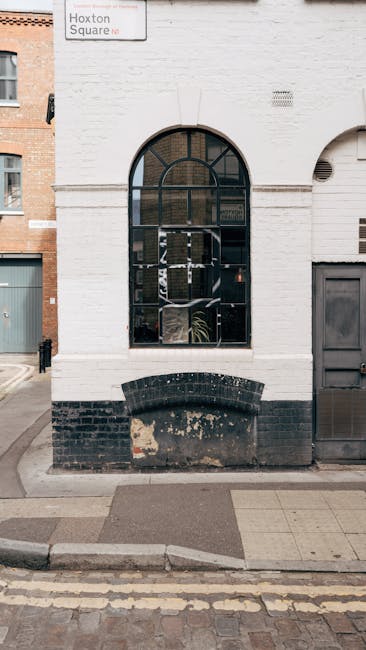
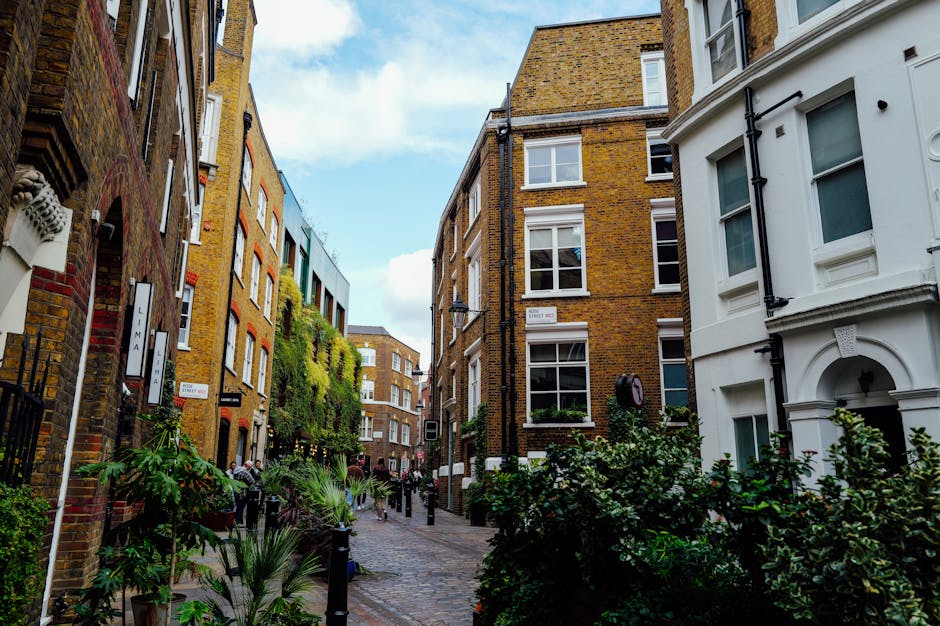
Hoxton is an inner area of East London, closely associated with the London Borough of Hackney and the wider Shoreditch district to the south and west. Historically it developed from a village outside the City of London, and over time it became part of the city’s expanding urban fabric. The area is known for a mix of older residential streets, post-war estates and newer commercial and cultural development, with a street pattern that reflects long change rather than a single planned layout. Its character is shaped by layers of housing, industry and adaptation, which can still be read in the local built environment. Hoxton Street remains one of the best-known axes through the district, while nearby Redchurch Street and the edges towards Shoreditch reflect the area’s shift into a more mixed urban quarter. Public open space is important here too, with Hoxton Square standing out as a notable historic square and local meeting point. The area also sits within reach of the Regent’s Canal corridor, which adds a quieter linear route through part of the wider neighbourhood network. In cultural terms, Hoxton has long been associated with artists, independent venues and changing forms of city life, while still retaining a sense of close local streets and everyday residential use. That combination of history, redevelopment and continuing community presence gives the place a distinctive profile within central and east London.
If you need a straightforward trim, a careful reshape or ongoing garden upkeep, we can help with a practical approach suited to the hedge and the garden. The work is planned around the condition of the planting, the desired finish and the level of reduction needed, so the result feels tidy rather than overworked. For a clear quotation, send your hedge details and ask us to review the scope.
For a wider garden refresh, you may also want to look at our garden clearance and decking services pages, especially if the hedge cut is part of a bigger outdoor project. We can then discuss the most suitable way to combine the tasks and prepare a quote that reflects the work involved.
Finishing the hedge neatly

A well-finished hedge should look intentional from every angle. That means paying attention not only to the visible face but also to the top line, side depth and the transition where the hedge meets adjoining planting or fencing. Even a simple trim can benefit from careful attention to edges, because that is often where the difference between tidy maintenance and a rushed cut becomes most obvious.
We aim for a finish that is balanced and practical, with enough attention given to details that the hedge still looks good between visits. In formal gardens, crisp lines may be the priority. In softer planting schemes, the main aim may be to reduce excess growth while keeping a natural outline. Either way, the work should leave the hedge with a shape that is easy to maintain next time.
Some customers prefer to pair hedge trimming with broader garden tidying, particularly where old growth, mossy paths or overfilled borders are making the space feel cluttered. If that sounds familiar, the garden clearance and landscape gardening pages give a useful sense of how the hedge work can sit within a fuller seasonal plan. A simple enquiry is enough to begin the quotation process.
Managing access, clippings and repeated maintenance
Good hedge trimming also depends on the practical side of the job. Access routes need to be workable, equipment needs space, and clippings should be handled in a way that suits the garden layout. If the hedge sits above a planted border or close to a paved area, the clean-up stage becomes part of the overall finish. Where appropriate, trimmings can be gathered efficiently so the hedge line and surrounding space look properly completed.
Regular maintenance is often the easiest way to avoid heavy correction later. When hedges are trimmed at sensible intervals, the resulting work is usually lighter and the finish more consistent. If the hedge grows strongly, keeping to a maintenance pattern can help preserve shape and reduce the chance of one section racing ahead of the rest. This is particularly useful for hedges that define boundaries or frame a front garden.
If you are planning several outdoor tasks, it can be sensible to think about the order in which they should be done. For example, a hedge may be trimmed before lawn work so the clippings can be cleared away more efficiently. Our lawn mowing and garden maintenance pages are useful references when you are considering a broader regular schedule for the space. The final step is simple: ask for a quotation and tell us what needs attention.
Related outdoor work and useful next steps

Some hedge trimming enquiries lead naturally into other outdoor improvements. A hedge may need to be cut back before a border can be replanted, or before a pathway, fence line or seating area feels properly usable again. In those situations, trimming is part of a wider sequence of work rather than a stand-alone task. We can keep the focus on the hedge while also considering how it fits with the rest of the garden layout.
Depending on what you are planning, services such as landscaping, landscape gardening and tree lopping and removal may be relevant alongside the hedge. Not every garden needs those extra stages, but it is useful to know where hedge trimming sits within the wider range of outdoor work. That makes it easier to request only what you need and avoid unnecessary additions.
If you would like to move forward, send the hedge details you know and ask for a quotation. We will review the scope and respond with the next step. For general business information, the contact us page is available, and the enquiry can be as brief as a message about the hedge, the area it covers and the finish you want. In many cases, that is enough to begin.