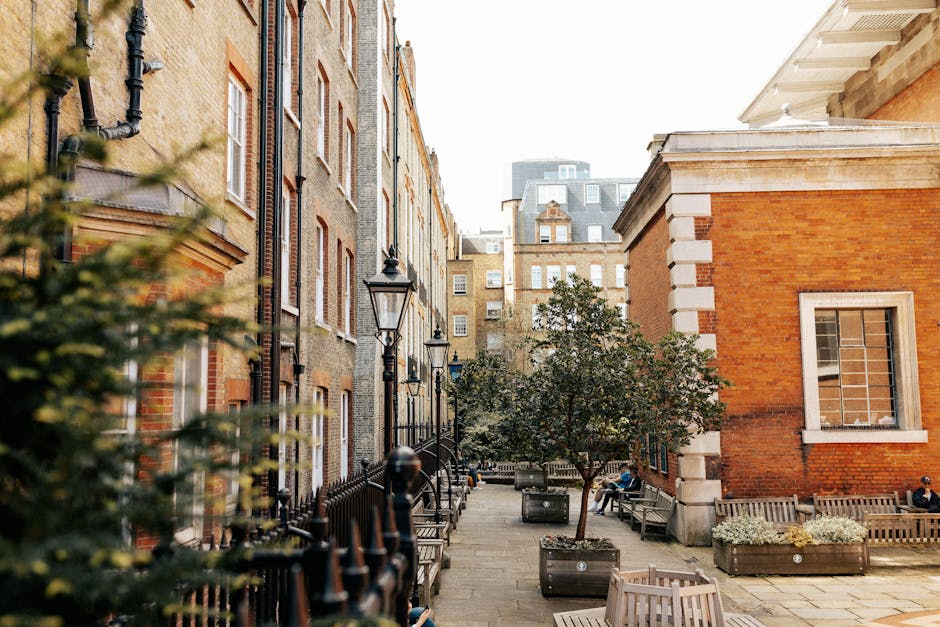
Garden maintenance Hoxton Square courtyard guide
If you manage a courtyard near Hoxton Square, you already know it's not quite a garden and not quite a yard. It's something more specific: compact, exposed in places, often shaded by buildings, and expected to look good in every season. This Garden maintenance Hoxton Square courtyard guide is here to make that easier. Whether you're looking after a private residential courtyard, a shared space, or a small commercial outdoor area, the same principles apply: keep it tidy, healthy, safe, and visually balanced without turning it into a chore that eats every weekend.
To be fair, courtyard planting can be deceptively fiddly. A few dry days and the pots are stressed; a wet spell and the paving starts to green over; then one windy afternoon and half the soil is on the slabs. The good news? A sensible maintenance routine solves most of that before it becomes expensive or embarrassing. Below, you'll find a practical, local-minded guide to what matters, how to do it properly, and how to decide when it makes sense to bring in professional help. If you're also thinking about wider outside-space care, pages like garden maintenance in London, commercial garden maintenance, and seasonal garden maintenance can help you compare your options.
Quick takeaway: courtyard gardens in Hoxton Square work best when maintenance is regular, light-touch, and seasonal rather than occasional and heavy-handed. Small spaces show neglect fast, but they also respond quickly when you stay on top of them.
Table of Contents
- Why Garden maintenance Hoxton Square courtyard guide Matters
- How Garden maintenance Hoxton Square courtyard guide Works
- Key Benefits and Practical Advantages
- Who This Is For and When It Makes Sense
- Step-by-Step Guidance
- Expert Tips for Better Results
- Common Mistakes to Avoid
- Tools, Resources and Recommendations
- Law, Compliance, Standards, or Best Practice
- Options, Methods, or Comparison Table
- Case Study or Real-World Example
- Practical Checklist
- Conclusion
- Frequently Asked Questions
Why Garden maintenance Hoxton Square courtyard guide Matters
A courtyard is usually judged in seconds. People notice the first thing they see: weeds in the joints, tired container plants, slimy paving, broken stakes, or a lovely olive tree that has quietly become a sad stick. In a place like Hoxton Square, where outdoor space is often used for relaxing, hosting, or simply making a property feel complete, maintenance directly affects how the whole place feels.
There's also a practical side. Courtyards tend to have microclimates. High walls can block rain, create wind tunnels, or leave some beds in permanent shade while another corner bakes in afternoon sun. That means plants won't behave like they would in a big open garden. They need more observation, not more fuss. That distinction matters. People often assume a small courtyard is low-maintenance, and, well, sometimes it is. But only if the planting, surfaces, drainage, and access all work together.
Neglected courtyards also create small problems that stack up. Slippery paving becomes a safety issue. Overgrown climbers can hide staining or cracked mortar. Potted plants dry out and then need hard revival pruning. Rubbish or leaf build-up becomes unsightly fast. And if the space is shared, little issues turn into bigger complaints because everyone sees them every day.
That's why a good maintenance routine is less about gardening glamour and more about steady, calm control. You keep the space usable. You keep it looking cared for. And you protect the investment already in the planting, materials, and layout.
How Garden maintenance Hoxton Square courtyard guide Works
Courtyard maintenance works best when it follows a rhythm rather than a rescue mission. In practice, that means small, regular tasks layered with seasonal checks and the occasional deeper tidy-up. In a compact urban setting, the main jobs usually fall into five groups: planting care, surface care, waste removal, structure checks, and presentation.
Planting care covers watering, feeding, deadheading, pruning, and replacing weak or exhausted plants. Courtyards often rely on containers, raised planters, and climbers, so roots have limited soil and need more attention than an open border would.
Surface care includes sweeping, pressure washing where appropriate, moss control, weed removal, and checking drainage. A courtyard can look fine from the doorway and still be quietly suffering under the surface. One blocked drain and suddenly you've got standing water after a routine shower. Not ideal.
Waste removal sounds obvious, but it's central. Leaves, clipped stems, spent compost, broken pots, and wind-blown litter all change the way a space feels. In a tight courtyard, clutter is visual noise. A quick clear-out often makes the biggest difference of all.
Structure checks are easy to overlook. Trellis, edging, fixings, planters, lighting, and furniture all need occasional inspection. When one small element fails, the whole space can start to look tired.
Presentation is the final layer. That means shaping planting so it looks intentional, not accidental. It's the difference between "some plants in a yard" and a courtyard that actually feels designed.
In most cases, the work begins with a site walk-through. You look at sun, shade, access, water points, drainage, surface condition, and the current state of the planting. Then you set a schedule. For a lot of Hoxton Square courtyards, a light weekly visit plus a more thorough monthly visit is enough to stay ahead of most problems. The exact rhythm depends on plant choice, use, and season, of course.
Key Benefits and Practical Advantages
The biggest benefit of good courtyard maintenance is simple: the space works better. But there are a few layers to that.
- Better appearance: A tidy courtyard makes a property feel cared for, which matters for homes, offices, hospitality settings, and shared residential spaces alike.
- Healthier plants: Regular pruning, feeding, and watering keeps container planting from going downhill too quickly.
- Lower long-term cost: Catching issues early usually costs less than replacing dead planting, damaged pots, or stained paving.
- Safer surfaces: Keeping moss, algae, leaves, and debris under control reduces slip risk.
- More usable space: A courtyard that is maintained well actually gets used. That sounds obvious, but many spaces aren't enjoyed because they've drifted into disrepair.
- Less stress for owners and occupiers: You're not constantly noticing what needs fixing next.
There's also a subtle but real advantage in a courtyard setting: consistency. Because the space is small, even a little maintenance goes a long way. A fresh top-dress, a clean sweep, and a quick prune can completely change the feel of it. It's satisfying, honestly. The sort of before-and-after that makes you nod and think, yes, that's better.
For landlords, building managers, and businesses, there's an additional benefit: maintenance creates a clear standard. People know the space is being looked after. That reduces complaints and makes it easier to justify future improvements. If you're considering a broader grounds-care approach, related services such as grounds maintenance services and property garden care can be useful reference points.
Who This Is For and When It Makes Sense
This guide is useful if you manage or use a courtyard in or around Hoxton Square and you want it to look good without overcomplicating the job. It's especially relevant for:
- Homeowners with small urban gardens or courtyard-style patios.
- Landlords and letting agents who need outdoor space to remain presentable between tenancies.
- Residential block managers handling shared access areas or communal planting.
- Offices, cafes, and hospitality venues that rely on an outdoor area to make a good first impression.
- Design-led properties where the courtyard is part of the overall aesthetic.
It makes sense to invest in structured maintenance when the courtyard is being used regularly, when planting is visually important, or when the space includes a mix of surfaces and containers that need coordination. If the area is just a few pots on a terrace, you may only need light seasonal support. If it includes multi-level planters, climbers, irrigation, and decorative paving, the upkeep becomes more of a system.
And let's be honest: if you're already finding that maintenance gets done only when someone complains, that's a sign the routine needs tightening. No drama. Just a better plan.
Step-by-Step Guidance
Here's a practical way to approach courtyard maintenance without making it feel like a second job. This is the bit most people actually need.
1. Start with a full visual check
Walk the space slowly. Look up, down, and into the corners. Check for weeds, leaf build-up, damaged leaves, pests, broken containers, blocked drainage points, moss, and plant stress. In a courtyard, the corners tell you a lot. They're often where neglect shows first.
2. Clear waste before touching the plants
Remove loose leaves, litter, dead stems, and any spent compost. Once the surface is clear, you can see what really needs attention. If you prune first, debris falls everywhere and the job gets messier than it needs to be. Small thing, but it saves time.
3. Tackle paving, paths, and drainage
Sweep thoroughly, then inspect joints and edges for weeds or moss. If water tends to pool in one spot, note it. Drainage issues in courtyards are often gradual, so a little attention early can prevent bigger problems later. If the paving is regularly slippery, adjust the maintenance plan rather than just cleaning once and hoping for the best.
4. Prune and deadhead carefully
Pruning in a courtyard is about restraint. You're shaping, not hacking. Remove dead or crossing stems, keep climbers under control, and trim back anything blocking access or light. Deadheading flowering plants helps them keep going longer, and it stops the space from looking tired after one good week in bloom.
5. Check watering needs
Containers and raised beds dry out faster than people expect, especially in warm weather or if the courtyard is sheltered from rain. Stick a finger into the compost if you're unsure. If the top layer is dry but deeper soil is still cool and damp, you probably don't need to water yet. Simple, but useful.
6. Feed and refresh planting
Container plants usually benefit from feeding during the growing season, but do it with a light touch and follow product directions carefully. Replacing the top layer of compost, or top-dressing planters, can improve appearance and help retain moisture. In many courtyards, this tiny refresh changes the whole visual impression.
7. Rebalance the layout
Sometimes a courtyard feels messy not because it's dirty, but because it's visually uneven. One planter is too tall, another has collapsed, and a climber is escaping. Move a pot, straighten a support, rotate a container, or replace a weak specimen. Small adjustments can quietly fix the whole composition.
8. Finish with a tidy reset
Step back and look at the space from the angle people actually see it. Entrance view matters. So does the view from a first-floor window if the courtyard is overlooked. A good reset leaves the space crisp, balanced, and ready for the next few weeks, not just technically "done".
If you want a broader service framework for regular upkeep, it can help to compare this process with landscape maintenance or more focused lawn and garden care where the space includes mixed features.
Expert Tips for Better Results
A few experienced habits make courtyard maintenance much easier. Nothing dramatic. Just the kind of small decisions that save a lot of hassle later.
- Choose plants for the space, not the mood board. Pretty is good, but if the courtyard is shady, dry, windy, or enclosed, the plants need to cope with reality first.
- Use fewer species if you want easier care. A simple palette usually looks smarter in a small space anyway.
- Group containers by watering needs. That way you don't overwater one while under-watering another.
- Leave clearance around walls and doors. It improves access, reduces damp against surfaces, and makes the space easier to clean.
- Refresh mulch or top dressing regularly. It helps moisture retention and gives planters a cleaner, finished look.
- Watch for reflected heat and shade. Courtyards can have a weirdly intense hot spot or a persistent cool corner. Plan accordingly.
- Keep a spare plant or two. If something fails suddenly, you're not left with an awkward gap for weeks.
One of the best habits, frankly, is just noticing things early. Yellowing leaves, leaning stems, gritty soil, algae at the base of a planter - they're all little signals. Ignore them long enough and they become "why is this suddenly such a job?"
Another good practice is to maintain the space during the lighter parts of the day. Early morning can be especially helpful because you can see moisture levels more clearly, and the courtyard often feels quieter, which makes attention to detail easier. Tiny advantage, but a real one.
Common Mistakes to Avoid
Most courtyard problems come from a handful of recurring mistakes. They're common, and avoidable.
Overplanting the space
It's tempting to squeeze in one more plant. Then another. Soon the courtyard looks crowded, watering becomes awkward, and airflow suffers. Leave breathing room. It helps the whole composition.
Ignoring drainage until there's standing water
If water lingers after rain, the issue is already underway. Don't wait for a bigger puddle to prove the point. Check where the water is going, and whether planters or debris are affecting the flow.
Using the wrong containers
Some pots look beautiful but are poor performers in a courtyard. If they crack in frost, dry too quickly, or are too heavy to move safely, they can create more problems than they solve. A good container should suit both the plant and the maintenance routine.
Pruning too hard, too fast
In a confined space, harsh pruning can leave the courtyard looking bare and awkward. Better to shape gradually unless a plant truly needs serious renovation work.
Skipping seasonal changeovers
A courtyard that looks decent in spring can tire badly by late summer if the maintenance plan doesn't adapt. Seasonal refreshes are not a luxury. They're what keep the space alive.
Forgetting the "boring" details
Edges, joints, fixings, plant labels, and supports may not be exciting, but they matter. People notice when the little things are off, even if they can't explain why.
Truth be told, many courtyards don't need more ambition. They need fewer surprises.
Tools, Resources and Recommendations
You don't need a shed full of kit to maintain a courtyard well, but the right tools make a big difference. Keep it lean and practical.
| Tool / Item | Best Use | Why It Helps |
|---|---|---|
| Hand fork and trowel | Potting, weeding, compost refresh | Essential for tight spaces and container work |
| Secateurs | Pruning, deadheading, shaping | Cleaner cuts and better plant health |
| Stiff broom | Sweeping paving and corners | Keeps surfaces tidy without fuss |
| Watering can or hose with control nozzle | Targeted watering | Helps avoid waste and overwatering |
| Gloves | General maintenance | Protects hands from rough stems and debris |
| Spare compost and mulch | Top-ups and plant refreshes | Keeps containers healthy and presentable |
| Soft brush or scraper | Algae and surface detailing | Useful for awkward corners and edges |
For larger or more complex courtyards, structured support can be worth it. Pages such as regular garden upkeep, container planting maintenance, and garden clean-up services can help you think about the right level of help.
If your courtyard includes irrigation, lighting, or built-in planters, make sure maintenance checks include the fittings too. A leaking dripper line or loose fixture can be easy to miss until it has already caused staining or a patch of unhappy plants. The boring stuff again. Always the boring stuff.
Law, Compliance, Standards, or Best Practice
For most courtyard gardens, the main concern is not complex law but sensible duty of care. If the space is shared, rented, or used by visitors, you should keep surfaces reasonably safe, avoid obvious trip hazards, and make sure maintenance does not create problems for neighbours or neighbouring properties.
In practice, that means paying attention to:
- Slip risk: moss, algae, mud, and leaf build-up should be dealt with before they become a hazard.
- Access: pathways, gates, and doorways should stay clear.
- Plant safety: avoid thorny or toxic species in spaces used by children, pets, or the public unless they are placed and managed appropriately.
- Waste handling: garden waste should be removed and disposed of properly, not left in communal areas.
- Noise and timing: in dense parts of London, it's polite and often necessary to schedule noisy work considerately.
There are also common-sense standards worth following. Use tools safely. Don't overuse pressure washing on delicate paving or old mortar. Be careful with fertilisers and treatments. And if the property is managed as part of a wider building or business, keep maintenance records tidy enough that anyone taking over the job can understand what was last done. That alone saves headaches.
If you need ongoing support with these checks, a service page like garden maintenance services or communal garden maintenance may be relevant to the sort of property you manage.
Options, Methods, or Comparison Table
Different courtyards need different levels of maintenance. Here's a simple comparison to help you choose the right approach.
| Approach | Best For | Pros | Limitations |
|---|---|---|---|
| DIY light maintenance | Small, simple courtyards | Low cost, flexible, immediate | Easy to miss seasonal issues or larger repairs |
| Planned weekly upkeep | Busy homes, blocks, and businesses | Consistent, tidy, manageable | Needs discipline and a routine |
| Monthly professional visits | Courtyards with established planting | Expert eyes, seasonal care, less stress | May still need owner input between visits |
| Full-service maintenance plan | Shared or high-visibility spaces | Best continuity and presentation | Higher commitment, more detailed scheduling |
For many Hoxton Square courtyards, a mixed approach works best: small weekly touch-ups plus periodic professional maintenance. That way, the space never slips too far, but you're also not paying for intensive work when only a light tidy is needed.
Case Study or Real-World Example
Imagine a compact courtyard behind a converted townhouse near Hoxton Square. It has stone paving, three large planters, one climbing framework, and a couple of benches. At first glance it looks fine. But by midsummer, the client notices the following: a green film on the paving in shade, a slow drain point near the back wall, one planter drying out far faster than the others, and a climber starting to spill into the walkway.
The maintenance fix is straightforward, but only because someone looked properly:
- The paving is swept and gently cleaned to remove algae and debris.
- The drain area is cleared and monitored after the next rainfall.
- The fast-drying planter is top-dressed and repositioned slightly to reduce heat stress.
- The climber is tied back and lightly pruned to restore the path edge.
- Spent growth is removed so the whole courtyard feels less crowded.
Nothing dramatic happened. That's the point. The courtyard never reached crisis mode because the issues were caught at the "small and annoying" stage. And, honestly, that is where good maintenance earns its keep.
The client in this sort of scenario usually notices two things. First, the space feels cleaner almost immediately. Second, the ongoing work becomes easier because the layout is no longer fighting the maintenance plan. Once a courtyard is working with you, not against you, everything improves.
Practical Checklist
Use this checklist for a simple courtyard maintenance visit.
- Check surfaces for leaves, moss, algae, and loose debris.
- Inspect drainage points and look for standing water.
- Remove weeds from joints, edges, and planter bases.
- Deadhead flowers and trim back straggly growth.
- Prune climbers and shrubs lightly, keeping access clear.
- Water containers and raised beds as needed, not on autopilot.
- Top up compost or mulch where plants look tired or dry.
- Check pots, supports, fixings, and trellis for damage.
- Remove waste from the area fully.
- Step back and review how the courtyard looks from the main viewpoint.
Mini rule of thumb: if you can see clutter from the entrance, the space usually needs a reset. If you can smell damp, you probably need to check drainage too. Simple, but useful.
Conclusion
A courtyard near Hoxton Square does not need endless work to look good. It needs the right work, done at the right time, with a bit of local awareness and a steady eye on the details. Keep the planting suited to the conditions, stay ahead of drainage and debris, and treat maintenance as a rhythm rather than an emergency response. That's how small outdoor spaces stay calm, attractive, and genuinely usable.
If you're weighing up whether to handle everything yourself or bring in help, the honest answer is this: start with the maintenance level the space actually demands, not the level you wish it demanded. That one decision saves a lot of effort later. And it keeps the courtyard feeling like a place you enjoy, not a thing you keep meaning to sort out.
Get a free quote today and see how much you can save.
Frequently Asked Questions
What does a courtyard garden maintenance visit usually include?
It usually includes sweeping, weeding, pruning, deadheading, watering checks, surface inspection, debris removal, and a quick review of drainage and plant condition. In more detailed visits, top-dressing, reshaping planting, and fixing light structural issues may also be included.
How often should a Hoxton Square courtyard be maintained?
That depends on the planting and use of the space, but many courtyards benefit from weekly light attention and a deeper monthly visit. During peak growing months, some spaces need a little extra input. Small courtyards can look untidy fast, so regularity matters more than intensity.
Is courtyard maintenance different from regular garden maintenance?
Yes, usually. Courtyards often have more containers, harder surfaces, less soil volume, and trickier light or wind conditions. That means watering, drainage, and plant choice matter even more than they might in a larger garden.
What plants work best for an urban courtyard?
Plants that tolerate partial shade, container life, and variable moisture usually do well. The best choice depends on the exact conditions: sun, shade, shelter, and how much time you have for care. A courtyard near tall buildings often needs tougher, more compact planting than an open garden would.
Why does my courtyard keep getting moss or slippery paving?
Usually because it's damp, shaded, or not swept enough for the conditions. Leaf build-up and poor drainage make it worse. Regular cleaning, better airflow where possible, and sensible planting placement help reduce the problem.
Can I do courtyard maintenance myself?
Yes, if the space is small and straightforward. Many owners can handle sweeping, light weeding, watering, and basic pruning. If the courtyard has complex planting, awkward access, drainage issues, or shared use, professional help can save time and prevent mistakes.
How do I keep a courtyard looking tidy in winter?
Focus on structure. Remove dead growth, keep surfaces clear, empty broken or failing containers, and make sure planting still looks intentional. In winter, good shape and cleanliness matter more than flower quantity. A neat framework carries the space through.
Is pressure washing always a good idea for courtyard paving?
Not always. It can be useful on some hard surfaces, but too much pressure can damage older paving, joints, or softer materials. A gentler clean is often better, especially if the courtyard includes heritage features or delicate finishes.
What are the biggest mistakes people make with courtyard gardens?
Overplanting, poor drainage, irregular watering, and ignoring small issues until they grow. Another common one is choosing plants for appearance alone, then discovering the space is too shady, dry, or windy for them to thrive.
How much upkeep does a small courtyard actually need?
Less than a larger garden in some ways, but more precision. Because the space is small, clutter and stress show quickly. A little weekly attention is often enough to keep it sharp, provided the original planting and layout are sensible.
Do I need professional help for a shared residential courtyard?
Often, yes. Shared spaces benefit from consistency, especially when multiple people use them and everyone expects a high standard. A professional routine can keep the work fair, predictable, and properly documented.
What should I do before arranging regular maintenance?
Walk the site, note problem areas, think about how the space is used, and decide what level of finish you want. It helps to understand whether the goal is simple tidiness, strong presentation, or a more complete planting and surface-care plan.
In the end, a well-kept courtyard is one of those quiet pleasures that makes a place feel settled. Not showy. Just right.